
What should procurement teams ask a security provider?
A structured review of operational capability, workforce, assurance, mobilisation and evidence can tell you far more than a headline hourly rate.

A structured review of operational capability, workforce, assurance, mobilisation and evidence can tell you far more than a headline hourly rate.
Security procurement is easier to compare when the conversation moves beyond officer numbers and hourly rates. The stronger questions focus on how the provider will understand the environment, mobilise the requirement, manage the people delivering it, respond when something changes and demonstrate that the service is working as intended.
Seven areas worth testing before appointment
Start with the operating requirement
A capable provider should first understand what the site, venue, event or portfolio needs security to achieve. That includes how people move through the environment, where controlled access is required, operating hours, recurring issues, client responsibilities and what must happen when an incident develops.
Procurement teams should be cautious where the proposed model appears to have been built before those operating conditions are properly understood.
Questions to ask
- How will you assess the site or operating environment before finalising the service model?
- Which responsibilities will sit with the security team, and which remain with the client?
- How will site-specific instructions be developed and kept current?
Confirm the provider’s assurance and the scope it actually covers
Accreditations and approvals matter most when their scope is clear. Procurement teams should understand which approval or certification supports the service being purchased, what sits outside that scope and how the provider evidences the standards it says it follows.
Understand who will actually deliver the service
The workforce model affects consistency, accountability and how quickly operational issues can be addressed. Ask how officers are recruited, screened, trained, briefed and supervised, and whether the provider relies on subcontracted guarding to fill routine deployments.
Look beyond licence checks
SIA licensing is a baseline requirement for licensable activity. Procurement should also examine site familiarisation, role-specific briefing, welfare arrangements, supervision and how performance concerns are managed once the service is live.
Ask how mobilisation will be controlled
A credible mobilisation plan should show how the provider moves from contract award to a stable live service. That may include site surveys, assignment instructions, staffing, vetting, uniforms and equipment, communication routes, training, key contacts, escalation procedures and client sign-off.
The more complex the operation, the more important it is to understand who owns each mobilisation action and how readiness will be checked before go-live.
Test the supervision and control model
Security officers should not operate as an isolated workforce. Procurement teams should understand what sits behind them: control-room support, supervisors, management contacts, welfare checks, site visits, incident escalation and the process for correcting performance or deployment issues.
This is also where providers should be able to explain how management information reaches the client and how recurring issues are identified rather than simply recorded.
Clarify how incidents, changes and escalation are handled
Security requirements rarely remain static. Operating hours change, access arrangements are amended, incidents occur and temporary risks emerge. The provider should be able to explain who makes decisions, how changes are approved, how officers are briefed and how material issues are escalated to the client.
A strong operating model should make escalation routes clear before an incident occurs rather than relying on informal arrangements when something goes wrong.
Ask for evidence from comparable operating environments
Case studies are most useful when they demonstrate more than a familiar client logo. Look for evidence showing the requirement, how the service was structured, how delivery was managed and what verified operational outcome was achieved.
Relevant evidence does not always need to come from an identical site. A comparable operating environment, service model or risk profile can often tell procurement more about capability than a generic sector claim.
Compare the service model, not only the headline price
Commercial comparison remains important, but a lower headline rate can conceal differences in supervision, management support, training, relief arrangements, technology, reporting or mobilisation. The real question is whether the proposed model can be delivered reliably and whether its cost assumptions are credible for the operating requirement.
Related operational evidence.

Security guarding protecting high-value titanium manufacturing operations in Aston
A titanium manufacturing facility in Aston, Birmingham required security around valuable raw materials, specialist machinery and the movement of people and vehicles across the site. Innovative Security Solutions deployed SIA-licensed security officers who were briefed around the facility's operating procedures before taking up their duties.
Read more →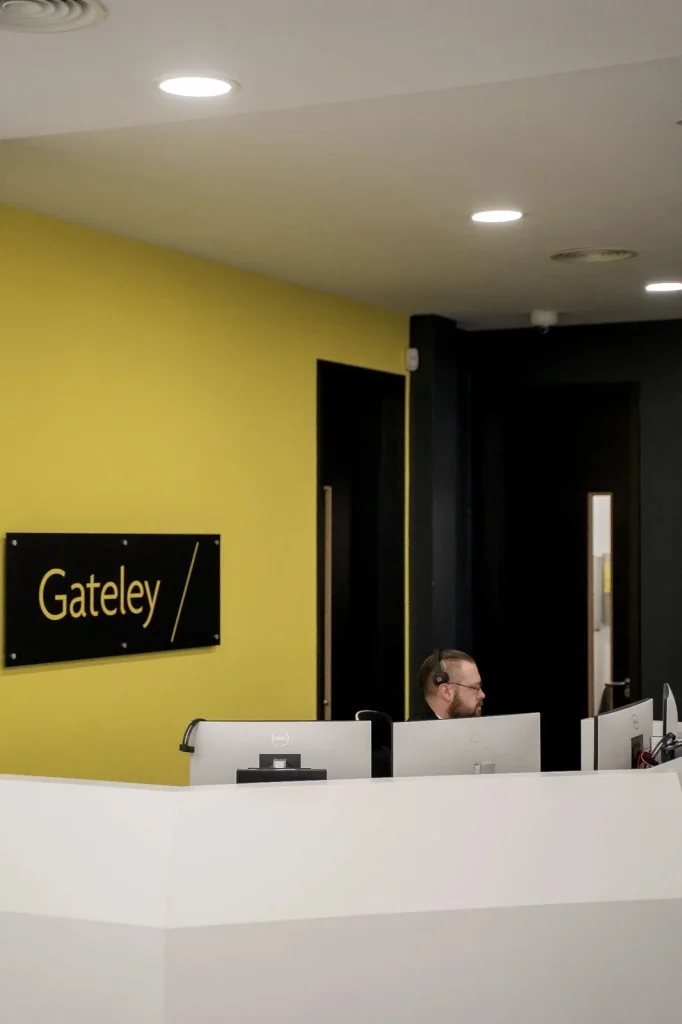
Concierge security protecting residents and controlling access at a Birmingham apartment building
A residential apartment building in Birmingham required a front-of-house security presence capable of supporting residents while maintaining control over access and activity within communal areas. Innovative Security Solutions deployed SIA-licensed concierge security officers to combine resident-facing support with active security responsibilities.
Read more →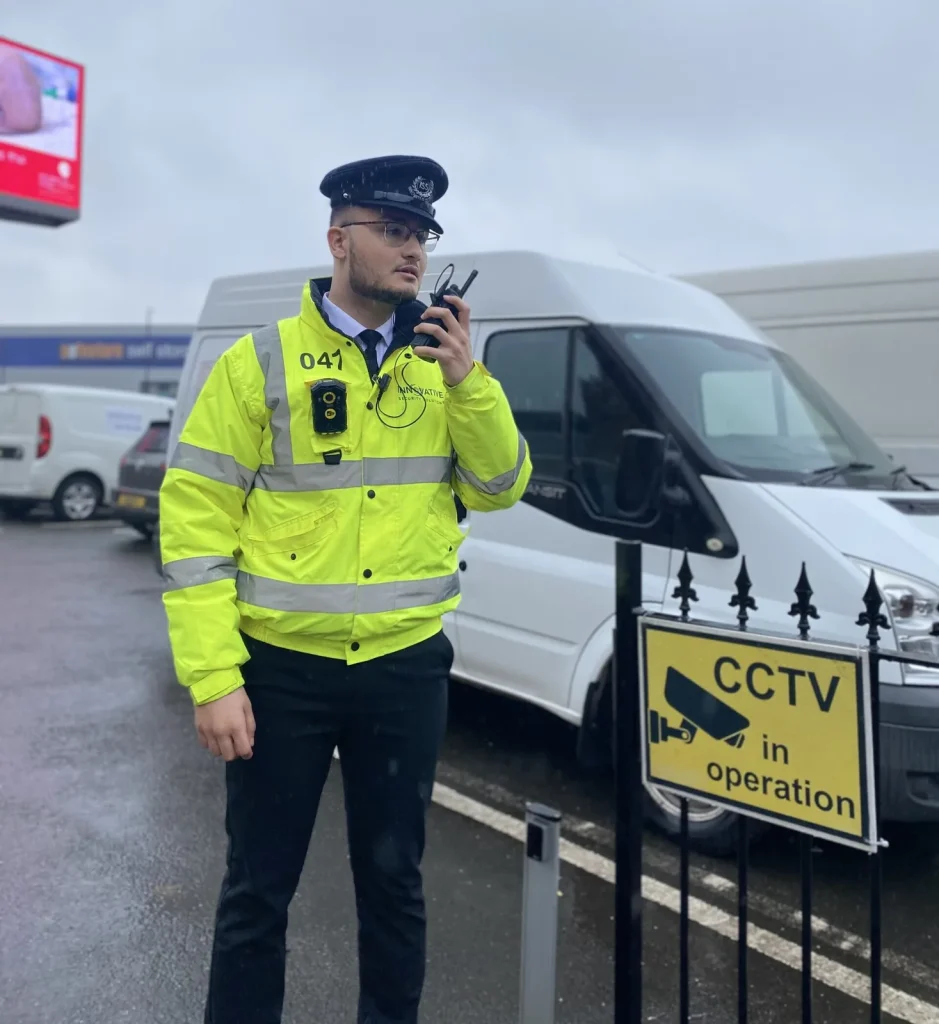
24/7 security supporting a safer Birmingham city-centre parking facility
A major Birmingham parking facility was experiencing recurring unauthorised access and drug-related activity that was affecting the environment for customers and employees. Innovative Security Solutions introduced continuous security guarding across the facility, providing a 24/7 security presence able to monitor activity, record incidents and intervene when unauthorised or disruptive behaviour was identified.
Read more →More practical security guidance.

Hospital security: managing access, aggression and incident response
Hospital security works best when patient flow, staff safety, access control, behavioural risk and escalation routes are managed as one joined-up operation with clear ownership at every stage.
Read more →
Concierge security: role, value and when to use it
Concierge security works best where front-of-house service and security responsibilities genuinely overlap, with clear authority, service standards and escalation routes.
Read more →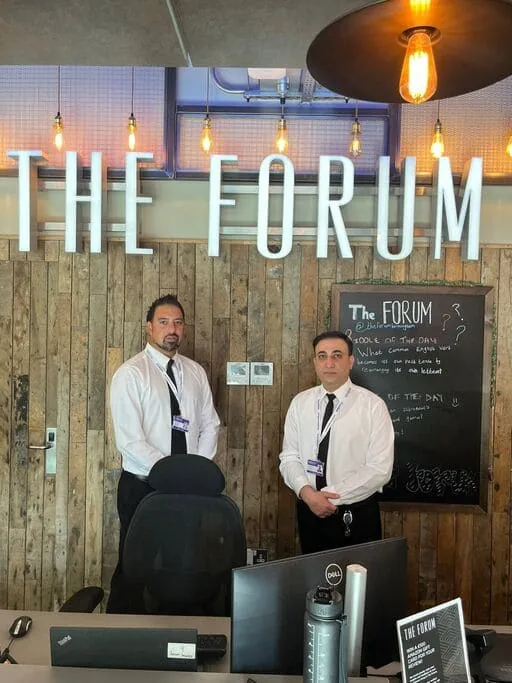
Hotel security: protecting guests without compromising hospitality
Hotel security works best when guest service, access control, staff support, late-night activity and incident response are managed as one operating model.
Read more →The UK national terrorism threat level is set by MI5 and reflects the likelihood of an attack in the UK.
We monitor relevant official updates and factor the risk context into site risk assessments and deployment planning.
View the current official threat level →Discuss your security requirements
Talk to Innovative Security Solutions about the operating environment, current risks and the service model you need.
Discuss Your Security Requirements →