
Concierge security: role, value and when to use it
Concierge security works best where front-of-house service and security responsibilities genuinely overlap, with clear authority, service standards and escalation routes.

Concierge security works best where front-of-house service and security responsibilities genuinely overlap, with clear authority, service standards and escalation routes.
A reception desk can be one of the busiest control points in a building. Employees, residents, visitors, contractors, deliveries and unexpected callers may all arrive through the same space, while the person at the desk is also expected to represent the organisation well. Concierge security can be useful where those service and security responsibilities overlap, but only when the role is properly defined. The job title itself does not create authority, competence or a security plan.
Seven areas to define before choosing the model
Start with the role the site actually needs
Before deciding that a building needs concierge security, define what happens at the front of house during a normal day and what changes when something goes wrong. Consider visitor volumes, resident or employee access, deliveries, contractors, parcel handling, out-of-hours activity, vulnerable areas and the incidents the front desk may realistically need to manage.
The answer may be a reception-led role with clear escalation, a security-led concierge position, dedicated guarding elsewhere in the building or a combination. Starting with the operating requirement avoids paying for a blended role that is either over-specified for routine duties or under-powered when a genuine security issue develops.
Questions to ask
- What decisions does the front-of-house person need authority to make without waiting for somebody else?
- Which duties are customer-service or administrative tasks, and which involve protecting people, property or premises?
- What happens after normal reception hours, during lone working or when an incident moves beyond the desk?
Separate reception duties from security duties
A receptionist may welcome visitors, answer calls, manage bookings, issue routine passes or coordinate deliveries. A concierge security role may do some of the same things, but it can also be expected to challenge unauthorised access, respond to suspicious behaviour, protect residents or employees, manage security incidents and support building procedures. Those responsibilities should be written down rather than assumed from the words “concierge” or “front of house”.
Define authority at the front door
Front-of-house control works only when the person on duty knows what they are authorised to do. Visitor lists, resident or employee access, contractor approvals, delivery procedures and exceptions should all have clear rules. If somebody arrives without the expected authorisation, the officer should know who can approve entry, what information can be checked and when access must be refused or escalated.
Avoid informal exceptions
Problems often start with reasonable-sounding requests: a contractor says the usual contact is unavailable, a delivery needs to be left somewhere different, a resident asks for a visitor to be admitted remotely or an employee wants to bring someone through a controlled entrance. Good concierge security gives the officer a workable route for exceptions without turning every unusual situation into either an automatic refusal or an informal favour.
Match the role to the building and the people using it
A corporate reception and a residential apartment building can both use concierge security, but the day-to-day emphasis is different. Corporate sites may place more weight on visitor verification, contractor access, staff movement, meeting areas and protecting restricted workspaces. Residential buildings may involve resident access, guests, parcels, communal areas, anti-social behaviour, welfare concerns and activity outside normal office hours.
The role should also reflect the character of the site. A premium front-of-house environment may need discreet presentation and strong customer service, while a building with repeated trespass, conflict or out-of-hours incidents may require more visible security capability and stronger management support.
Set service standards as clearly as security standards
A person can follow access procedures correctly and still provide a poor front-of-house experience. Define how visitors should be greeted, what information can be given, how complaints are handled, how appearance and conduct should reflect the site and how privacy is protected when conversations or incidents take place at reception.
The reverse is equally important. A polished welcome should never override access rules or create pressure to admit somebody simply because refusing them may feel uncomfortable. The service standard and the security standard need to support each other.
Plan what happens when the issue leaves the desk
Concierge security should not become a single point of failure. Define who supports the officer if a visitor becomes aggressive, an alarm activates, somebody is found in a restricted area, a welfare concern develops or an incident occurs elsewhere in the building. The escalation route may involve a supervisor, control room, building management, mobile response, emergency services or another site-specific contact.
Coverage matters too. If the front desk must remain staffed, decide how patrols, breaks, welfare checks and incidents away from reception will be handled. A role that looks efficient on paper can become fragile if one person is expected to remain visible at the desk and respond everywhere else at the same time.
Know when concierge security is not the whole answer
Concierge security is well suited to environments where access control, reassurance and front-of-house service overlap. It is not automatically a substitute for dedicated guarding, patrols, CCTV monitoring or specialist response. Larger buildings, repeated incidents, extensive external areas or higher-risk operations may need additional posts or capabilities rather than stretching the concierge role beyond what one position can reasonably control.
The same applies in reverse. A low-risk reception does not need security duties added simply to make the role sound more substantial. The model should match the site, not the label.
Review the role as the building changes
Occupancy, tenants, resident profiles, opening hours, visitor volumes and incident patterns all change. Review the concierge role when those conditions change, after a significant incident or when the officer is repeatedly being asked to make decisions that are not covered by current instructions. A strong front-of-house model evolves with the building rather than accumulating informal duties over time.
Related operational evidence.

24/7 security supporting a safer Birmingham city-centre parking facility
A major Birmingham parking facility was experiencing recurring unauthorised access and drug-related activity that was affecting the environment for customers and employees. Innovative Security Solutions introduced continuous security guarding across the facility, providing a 24/7 security presence able to monitor activity, record incidents and intervene when unauthorised or disruptive behaviour was identified.
Read more →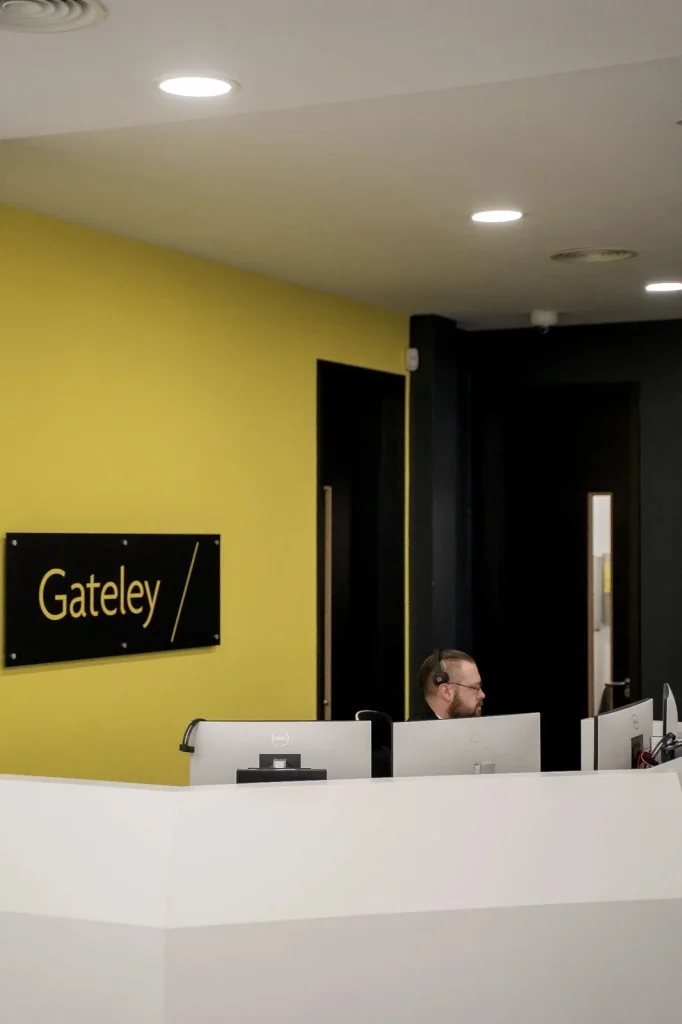
Concierge security protecting residents and controlling access at a Birmingham apartment building
A residential apartment building in Birmingham required a front-of-house security presence capable of supporting residents while maintaining control over access and activity within communal areas. Innovative Security Solutions deployed SIA-licensed concierge security officers to combine resident-facing support with active security responsibilities.
Read more →More practical security guidance.

Martyn’s Law: preparing premises, venues and organisations for the new duties
Martyn's Law introduces new terrorism-protection duties for qualifying premises and events. Good preparation starts with understanding scope, responsibility and the operating arrangements already in place.
Read more →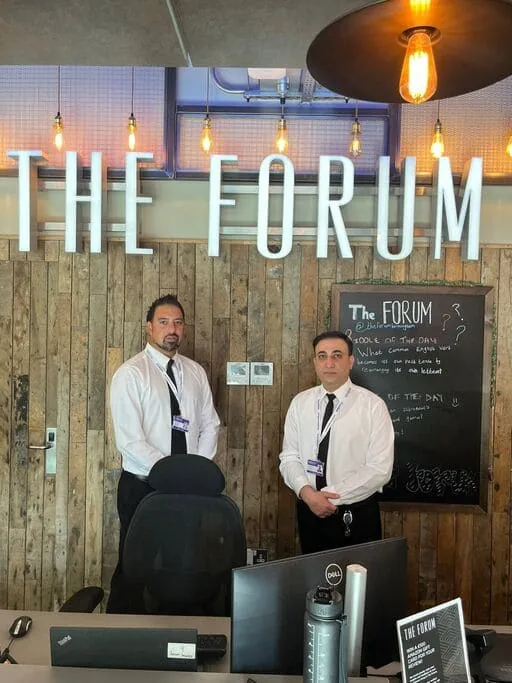
Hotel security: protecting guests without compromising hospitality
Hotel security works best when guest service, access control, staff support, late-night activity and incident response are managed as one operating model.
Read more →The UK national terrorism threat level is set by MI5 and reflects the likelihood of an attack in the UK.
We monitor relevant official updates and factor the risk context into site risk assessments and deployment planning.
View the current official threat level →Discuss your security requirements
Talk to Innovative Security Solutions about the operating environment, current risks and the service model you need.
Discuss Your Security Requirements →