
Skip to content
Discuss Your Security Requirements →

Home / Industries / Solar Farms & Renewable Energy Sites

Solar Farms & Renewable Energy Sites

Security for solar farms and remote renewable energy sites

The first thing we look at is how exposed the site is — the size of the perimeter, where the valuable cabling and equipment are, how often people are on site and how quickly someone can respond if something happens.

On remote or lightly occupied energy sites, long boundaries and limited natural oversight can give intruders more time on site, so early detection and a clear response are especially important.
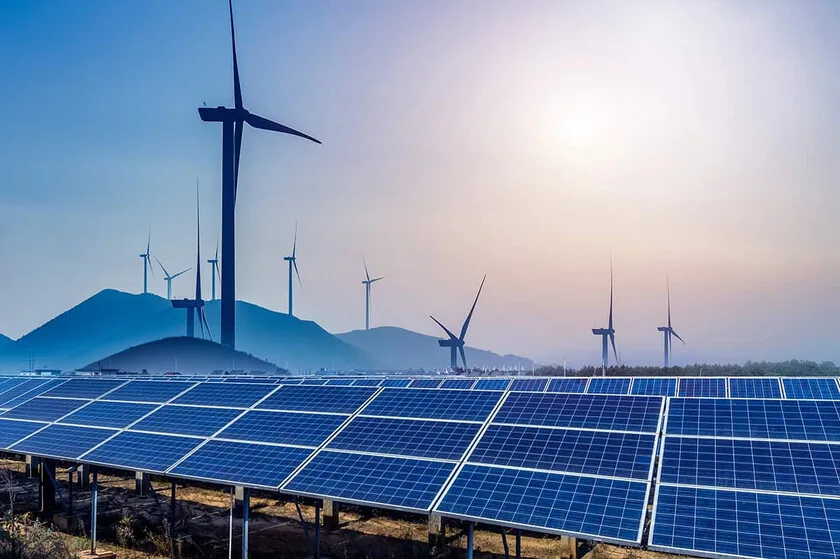
EnvironmentLarge & remote
Primary focusAssets & perimeter
Operating patternOften low occupancy

Managing security across solar farms and remote renewable energy sites

Solar farms and other renewable energy sites can cover large rural areas, with long perimeter lines, multiple access points and valuable equipment spread well away from the main gate. We look beyond the fence line as well as inside it — how visible the site is from surrounding roads or land, where someone could approach without being seen, which areas are covered by CCTV and where there may still be gaps in visibility.

The aim is to understand where the site is genuinely exposed before deciding what security measures need to be in place.

01
Perimeter & surrounding area
Long boundaries, fencing and gates are only part of the picture. We also look at nearby roads, public access, neighbouring land and less visible approach routes that could make parts of the site easier to reach unnoticed.
02
Critical assets
Cabling, inverters, substations and other infrastructure may sit across different parts of the site. We identify which assets are most vulnerable and whether they need additional protection, monitoring or response arrangements.
03
CCTV & visibility
We look at what the existing CCTV can actually see, whether important areas are covered and where blind spots or low-visibility areas remain. A camera on site is only useful if it covers the areas that matter.
04
Site access
Maintenance teams, contractors and authorised visitors still need controlled access, even when the site itself is normally unoccupied. We look at how access is managed and whether movement onto and around the site can be properly accounted for.
05
Remote periods
Nights and low-occupancy periods can give intruders more time on site if suspicious activity is not detected early. Detection needs to be linked to a clear escalation and response route.

Protecting cabling and critical assets on site

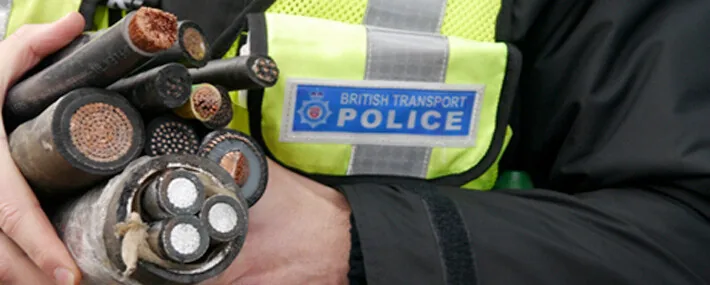
Cable theft is a genuine concern on renewable energy sites, but the loss is rarely limited to the cable itself. Intruders may damage fencing, equipment or infrastructure getting onto and around the site, and the resulting repair work can disrupt normal operation.

We look at which assets are most attractive or vulnerable, how someone could reach them, what existing security would detect and how quickly the site can get support if an incident takes place.
01
Cabling & copper
Cabling can run across large areas of the site and may be difficult to keep under continuous observation. We look at where it is most accessible and whether those areas have effective detection or surveillance.
02
Critical equipment
Inverters, substations and other infrastructure may be significantly more costly or disruptive to repair or replace than the value of the material taken. Protection needs to reflect both the value of the asset and the operational impact if it is damaged.
03
Routes through the site
If somebody gets through the perimeter, we need to understand how easily they can move around the site, reach vulnerable assets and leave without being detected.
04
Detection & intervention
Early detection matters because an intruder may otherwise have significant time on a remote site. CCTV, alarms or other detection measures need to lead somewhere — verification, escalation and an appropriate response.
05
After an incident
The response does not end when the intruder leaves. Damage, compromised fencing, missing cabling or changes in risk may require immediate action and a review of the security arrangements.

What we check when security is already in place

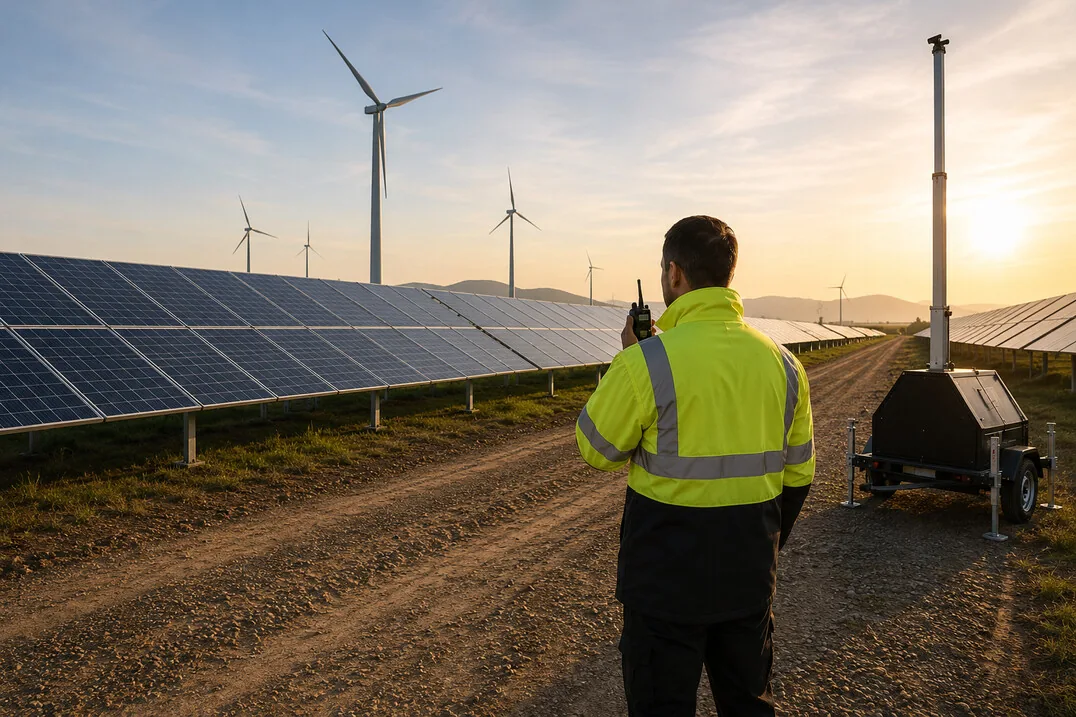
Many solar farms and renewable energy sites already have fencing, CCTV, alarms or monitoring in place. The important question is whether those measures work together when somebody actually targets the site.

We look at what is already there, where the gaps are and whether an alert can turn into an effective response quickly enough to make a difference.
01
CCTV coverage
Are the vulnerable areas actually visible? We check camera positions, blind spots and whether changes to vegetation, equipment or the site itself have reduced the coverage originally intended.
02
Detection & alarms
We look at what generates an alert, whether the right activity is being detected and whether repeated false activations are creating unnecessary noise for the monitoring team.
03
Monitoring & escalation
An alert only helps if somebody sees it and knows what to do next. We look at who receives the activation, how it is verified and when it should be escalated.
04
Physical security
Fencing, gates and locks still matter. We look for damaged or vulnerable sections and whether the physical measures give enough resistance for detection and response to have time to work.
05
Response arrangements
If attendance is needed, who is responding, how quickly can they realistically reach the site and can they get access when they arrive?

Security services for solar farms and renewable energy sites

Once we understand where the site is exposed and how well the existing security is working, we can work out what additional support is actually needed. On some sites that may mean improving detection or monitoring; on others, the priority may be patrols, response or an on-site security presence.

How suspicious activity is handled on remote energy sites

Detection is only the start. On a remote site, the important part is what happens next — who sees the alert, how the activity is checked, who needs to be informed and whether somebody needs to attend. We agree those routes in advance so the response does not have to be worked out while an incident is already happening.

01
Detect
CCTV, alarms or other site security measures identify activity that needs attention.
02
Verify
Where monitoring is in place, the activation is checked to establish what is happening and what action is needed.
03
Escalate
The incident is passed through the agreed escalation route, involving operational management, the client or other relevant contacts depending on what has happened.
04
Respond
Where attendance is required, the agreed response is activated. The responder needs to know where they are going, how they will access the site and who they need to contact when they arrive.
05
Report & review
The incident, actions taken and outcome are recorded. Where the event exposes a weakness or change in risk, we review what needs to be adjusted.

Security requirements change through the life of a site

The security needed during construction may be very different from what is needed once the site is fully operational. Contractor numbers, vehicle movements, temporary storage, access arrangements and the value or location of equipment can all change over time.

We review those changes with the client and adjust the security arrangement where the existing coverage or response is no longer right for the site.

01
Construction & commissioning
More people, vehicles, contractors, deliveries and equipment may be moving through the site. Temporary storage and changing work areas can also create vulnerabilities that will not exist once the site is fully operational.
02
Operational phase
Once construction activity settles down, the focus usually moves toward protecting critical assets, maintaining perimeter and CCTV coverage, controlling authorised access and making sure incidents can be responded to.
03
Maintenance & contractor access
Planned maintenance or repair work can temporarily increase activity on site, open areas that are normally secured or change how people and vehicles move through the site. Security arrangements may need to change while that work is taking place.

Let’s look at where your site may be exposed

If you are reviewing security following an incident, a change on site or as part of a wider security review, we can look at what is already in place, where the gaps may be and what needs strengthening.

UK TERRORISM
THREAT LEVEL
(OFFICIAL)

The UK national terrorism threat level is set by MI5 and reflects the likelihood of an attack in the UK.

We monitor relevant official updates and factor the risk context into site risk assessments and deployment planning.