
Hotel security: protecting guests without compromising hospitality
Hotel security works best when guest service, access control, staff support, late-night activity and incident response are managed as one operating model.
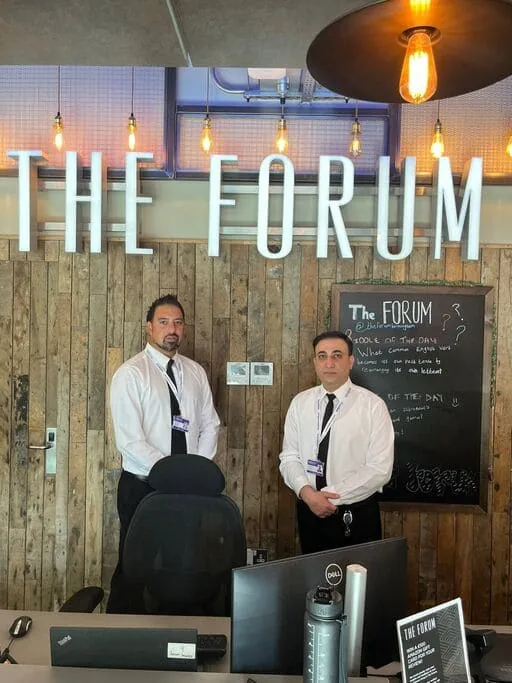
Hotel security works best when guest service, access control, staff support, late-night activity and incident response are managed as one operating model.
Hotels are unusual security environments. The lobby may be open to guests, restaurant customers, conference delegates, deliveries, contractors and members of the public, while bedrooms, staff areas, stores and plant rooms need very different levels of access. Security therefore has to manage changing boundaries throughout the day, not simply watch the front door. The strongest model supports hospitality when everything is normal and can become decisive quickly when it is not.
Seven areas to keep under active review
Start with how the property actually operates
Before deciding officer numbers or security posts, map how the hotel changes from early morning to late night. Check-in and check-out, breakfast service, housekeeping, deliveries, conferences, weddings, bars, leisure facilities, car parks and night access can all change who is using the building and which areas should be accessible.
The plan should identify when public space becomes guest-only or staff-only, who has authority over exceptions and where responsibility passes from one team to another. A control that works at 2pm may be much less effective at 1am when reception is quieter and a function is finishing.
Questions to ask
- Which areas are public, guest-only, staff-only or otherwise controlled?
- When does the risk profile change – check-in, late trading, event finish, night shift or seasonal peak?
- Which incidents require security intervention, and who has authority to make the next decision?
Protect access without turning the hotel into a checkpoint
A hotel has to welcome unfamiliar people by design. That makes access control different from an office or warehouse. The aim is not to challenge everybody; it is to recognise where access should become restricted. Guest floors, staff corridors, plant rooms, luggage stores, cash offices and service areas should each have clear rules, while lobbies, restaurants and event spaces may remain more open. Lost keycards, replacement access, visitors to rooms and people claiming to be meeting guests should follow a defined verification process rather than courtesy or familiarity alone.
Treat keys, passes and credentials as security assets
From a security operations standpoint, master keys, override cards, staff passes and system permissions must be managed as accountable security assets. Access should be granted on a need-to-have basis, with master or elevated privileges tightly restricted, logged and subject to regular review. When an employee, agency worker or contractor leaves the site, changes role or no longer requires access, their credentials must be withdrawn immediately and confirmed as closed down. Any lost, shared, retained or suspected compromised key, card or permission should trigger a clear escalation process so the site can assess exposure, protect affected areas and restore control without delay.
Make access records useful
Electronic access logs, key registers and CCTV can help after an incident, but only if the hotel knows what is recorded, how long information is retained and who is authorised to review it. The purpose is accountability and investigation, not collecting data simply because the system can.
Plan separately for bars, functions and late-night activity
The risk profile often changes when hospitality becomes entertainment. Weddings, conferences, private functions and licensed bars can bring larger numbers of non-residents, alcohol, different entrances and closing-time pressure. Decide in advance who controls entry, guest lists or tickets, restricted areas, behaviour concerns, queues, smoking areas and the point at which an issue moves from customer service to security.
Where contracted security is guarding licensed premises against disorder, unauthorised access, theft or damage, the relevant SIA door supervision licensing requirements apply. The operating model should therefore reflect the activity being performed, not simply the uniform or job title used on site.
Support staff as well as guests
Reception, housekeeping, bar staff, night teams and managers often see problems first. Security instructions should tell them what to report, what they should not be expected to handle alone and how to summon support without abandoning guest care. That is particularly important where staff may face aggression, suspected theft, unauthorised access, welfare concerns or a person refusing to leave.
The response should remain proportionate and discreet where possible. Security should make staff feel supported, not create a second operational problem by escalating situations unnecessarily in public areas.
Keep back-of-house security out of sight, not out of mind
Service yards, staff entrances, kitchens, stores, alcohol stock, luggage rooms, cash-handling points, offices and plant areas sit outside the normal guest journey but can carry concentrated risk. Deliveries and contractors should have defined access, and valuable or sensitive areas should be protected according to exposure rather than convenience.
Car parks and external areas need the same thought, especially where guests arrive late, functions finish after dark or vehicle routes share space with pedestrians. Security coverage should follow how the property is actually used, not stop at the hotel entrance.
Make incident response discreet but decisive
Hotel incidents can begin as service issues and become security issues quickly. A noise complaint may become aggression, lost property may become suspected theft, and a welfare concern may require emergency services. Define what reception or the duty manager handles, when security takes over and who can authorise escalation.
Security officers also need practical information: room and floor locations, emergency routes, control points, CCTV or access systems, who the duty manager is and how to preserve evidence without disrupting more of the hotel than necessary.
Review security when the hotel changes
Occupancy, guest mix, functions, bar hours, seasonal peaks, refurbishments, new access technology and staffing changes can all alter exposure. Review the security arrangement after incidents or near misses, before major functions and whenever recurring exceptions show that current instructions no longer match the operation. Security should stay close enough to the hotel to adapt before informal workarounds become the real procedure.
More practical security guidance.
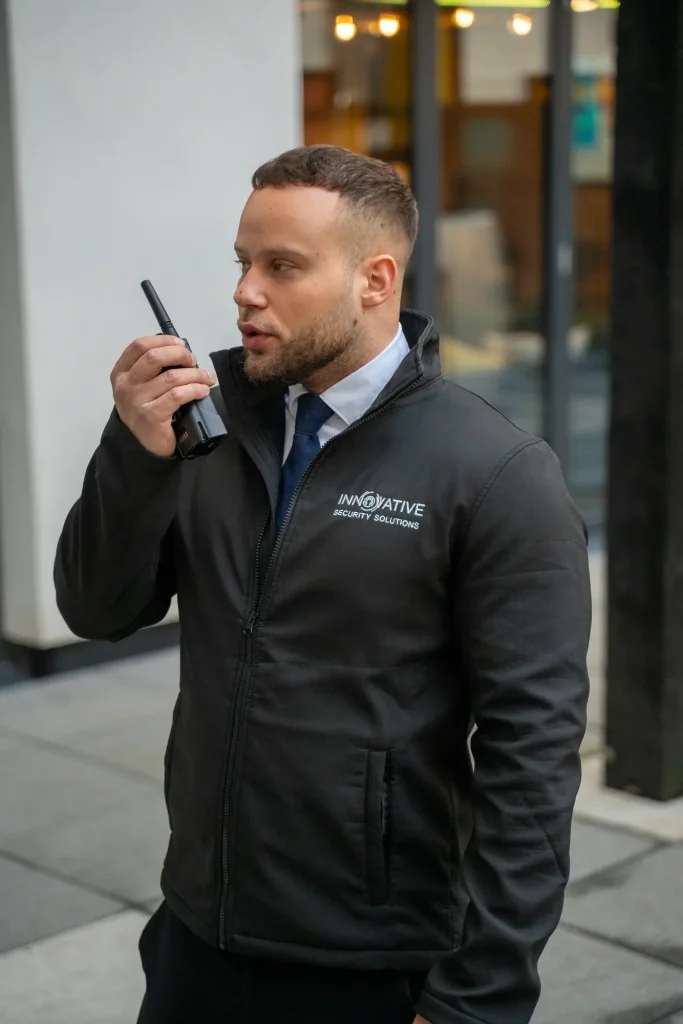
Concierge security: role, value and when to use it
Concierge security works best where front-of-house service and security responsibilities genuinely overlap, with clear authority, service standards and escalation routes.
Read more →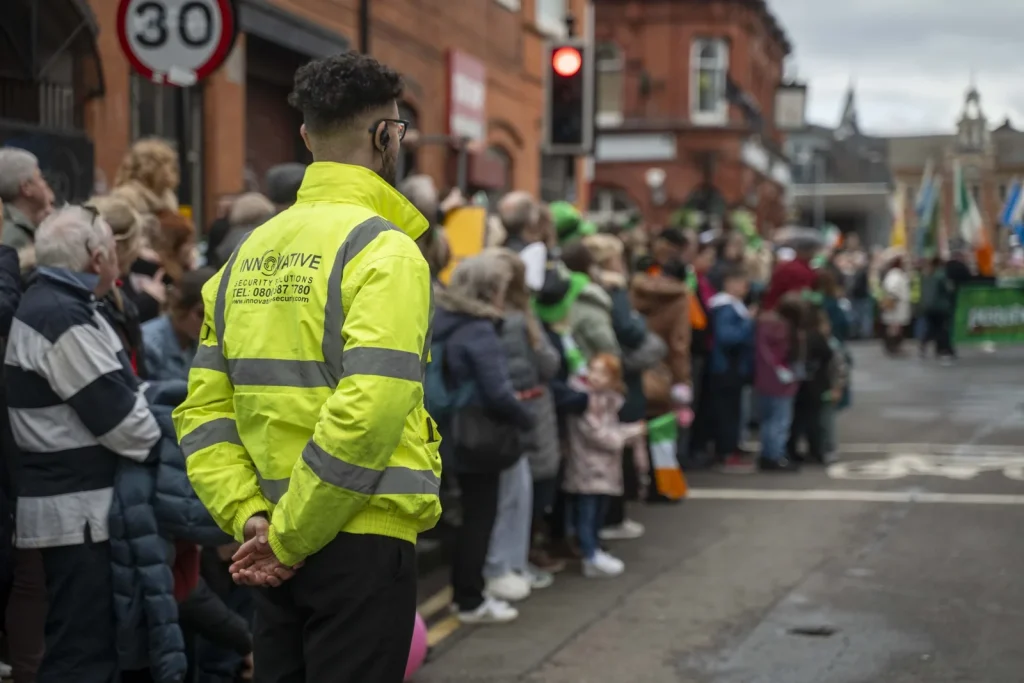
Martyn’s Law: preparing premises, venues and organisations for the new duties
Martyn's Law introduces new terrorism-protection duties for qualifying premises and events. Good preparation starts with understanding scope, responsibility and the operating arrangements already in place.
Read more →The UK national terrorism threat level is set by MI5 and reflects the likelihood of an attack in the UK.
We monitor relevant official updates and factor the risk context into site risk assessments and deployment planning.
View the current official threat level →Discuss your security requirements
Talk to Innovative Security Solutions about the operating environment, current risks and the service model you need.
Discuss Your Security Requirements →