
How to secure a construction site
Construction site security works best when boundaries, access, exposed assets, out-of-hours protection and response arrangements are reviewed as the project changes.
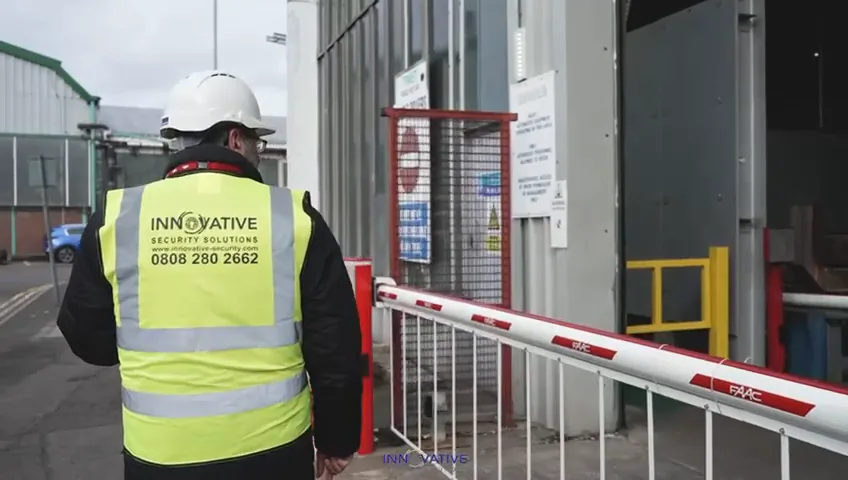
Construction site security works best when boundaries, access, exposed assets, out-of-hours protection and response arrangements are reviewed as the project changes.
Construction sites change continuously. Access routes move, contractor numbers rise and fall, compounds are relocated, plant and materials arrive at different stages and completed areas gradually become part of the operating environment. A useful security plan should therefore protect the site as it works now, while remaining ready to change with the next phase of the build.
Seven areas to keep under active review
Start with the site as it operates now
Before deciding on guarding, patrols or CCTV, establish how the site is currently being used. Map the active entrances, delivery points, pedestrian routes, compounds, welfare areas, plant locations, temporary storage and parts of the perimeter that are changing or difficult to observe.
The security requirement should be based on the present phase of the project and the risks that come with it. A control that worked during groundworks may be poorly positioned once the main build, fit-out or commissioning phase begins.
Questions to ask
- Where can people and vehicles enter the site today, and which routes are temporary?
- What plant, tools, fuel, cabling or materials are most exposed, and at what times?
- What is changing next, and could that create a new access, visibility or response gap?
Secure the boundary and control access
The site boundary is the first control against unauthorised access, but it only works if gates, hoarding, fencing and temporary openings remain intact and are checked as the layout changes. Entry arrangements should also distinguish between workers, subcontractors, visitors, deliveries and vehicles so people are directed only to the areas they need to reach.
Protect plant, tools and materials according to exposure
Security should follow where value is actually sitting on the project. Plant may be exposed overnight, cable and components may become attractive during fit-out, and materials can become vulnerable when deliveries arrive before secure storage is ready. Review where these assets are kept, how somebody could reach them and what would detect or delay an attempted removal.
Control what remains on site after hours
Close-down should include secure storage, key control, locked or immobilised plant, restricted fuel areas and removal of avoidable access aids such as unsecured ladders. HSE guidance also highlights the need to secure sites at the end of the working day, isolate and immobilise plant where appropriate, cover or barrier excavations and lock away hazardous substances.
Plan the out-of-hours security model
There is no single correct model for every construction site. Some projects require a continuous security presence because access, incidents or high-value assets need immediate physical control. Others can use mobile patrols, monitored CCTV or a combination of measures to cover quieter periods, temporary compounds or areas that do not justify permanent guarding.
The decision should be based on coverage, likely incident types, site size, operating hours and the response required when something happens – not simply on which option appears cheapest as a standalone solution.
Define how detection becomes response
A camera, alarm or patrol finding is useful only when the next action is clear. The site team should know who receives alerts, who verifies what has happened, whether somebody can attend, what authority they have on arrival and when police, fire, site management or another escalation route should be used.
For CCTV towers and temporary alarm systems, check that coverage still matches the live site layout. A relocated compound, new structure, hoarding change or stack of materials can create blind areas even where the equipment itself has not moved.
Build a disciplined close-down and handover routine
Many avoidable gaps appear at the transition between the working day and the quieter out-of-hours period. A close-down routine can confirm that temporary gates are secured, visitors and contractors have left, plant and storage areas are protected, damaged fencing has been reported, alarms are set and any unusual activity is handed over to the person responsible for the next period of coverage.
The same discipline should be followed when responsibility passes between security officers, mobile patrol teams, site management or different contractors. Known defects and temporary changes should be handed over, not rediscovered after an incident.
Review security as the build progresses
Update the security plan whenever the project moves into a new phase. For groundworks, check temporary boundaries, plant, fuel storage and changing access routes. For the main build, control increased worker, vehicle and delivery movements. For fit-out, protect higher-value equipment and finished areas. At handover, confirm who owns key control, permanent access systems, alarm responses and any remaining security checks.
Review the security arrangement when the site changes materially, after an incident or near miss, before a shutdown period and before moving into a new phase. That review should check whether posts, patrol routes, CCTV coverage, access instructions and escalation arrangements still match the operating environment.
Treat security as part of site operations
The strongest construction security arrangements are integrated with the project rather than positioned beside it. Site management, security officers, supervisors and monitoring or response teams should share current information about access changes, deliveries, vulnerable areas, incidents and upcoming works so controls can be adjusted before a gap becomes a loss or disruption.
Related operational evidence.

Security operations supporting a major development in Digbeth
A large commercial and residential redevelopment in Digbeth required security to operate around an active construction site with multiple access points, valuable plant, materials and changing areas of activity. Innovative Security Solutions delivered a layered security operation combining Security Guarding, Mobile Patrols, access control and Rapid Deployment CCTV across the 14-month construction phase.
Read more →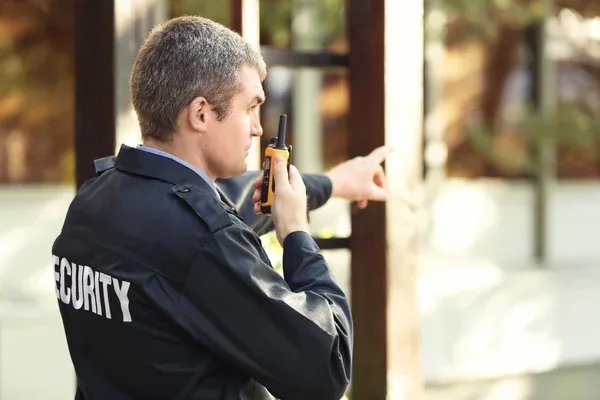
Mobile patrol security preventing theft at a Leicester construction site
A construction site in Leicester required a security operation capable of protecting valuable materials, machinery and equipment from theft and unauthorised access. Innovative Security Solutions provided Security Guarding and Mobile Patrols across the site, giving the client a visible security presence supported by scheduled checks across vulnerable areas.
Read more →The UK national terrorism threat level is set by MI5 and reflects the likelihood of an attack in the UK.
We monitor relevant official updates and factor the risk context into site risk assessments and deployment planning.
View the current official threat level →Discuss your security requirements
Talk to Innovative Security Solutions about the operating environment, current risks and the service model you need.
Discuss Your Security Requirements →