
Security support within a busy Birmingham A&E environment
A Birmingham hospital required dedicated security support within its A&E department, where anti-social behaviour, aggression and conflict were creating additional pressure for clinical and reception teams. Innovative Security Solutions worked with hospital management to understand the environment before deploying SIA-licensed security officers into the department. The security role focused on maintaining a visible presence, identifying developing situations early, supporting staff and using verbal de-escalation wherever possible before moving to proportionate intervention when required.
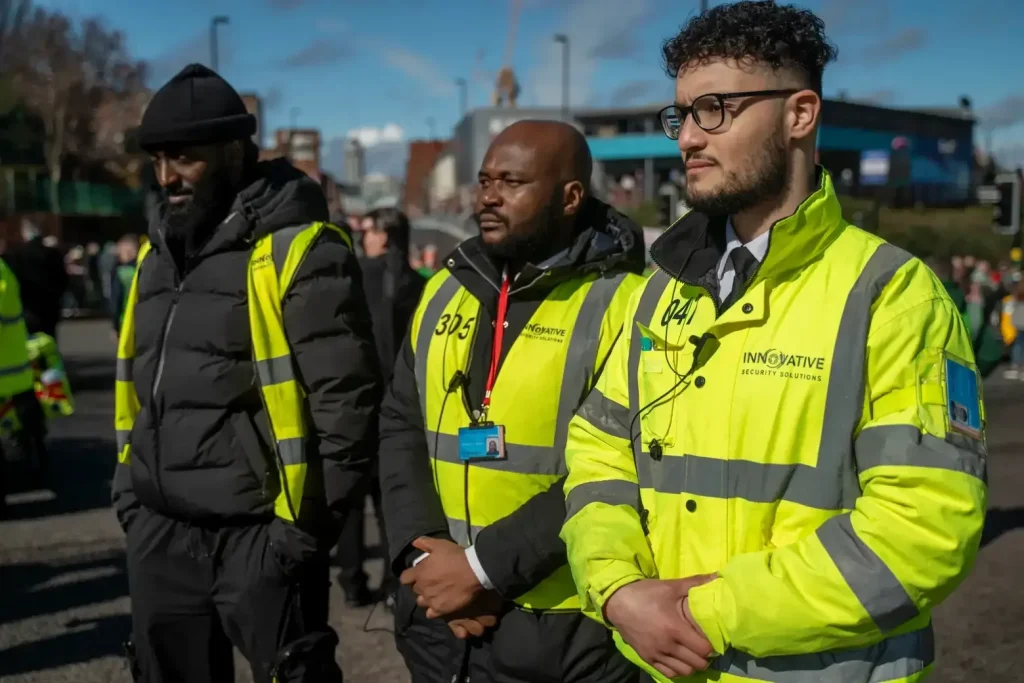
Supporting staff within a live clinical environment
The A&E department was experiencing a high level of anti-social behaviour and conflict. Hospital management needed security officers who could work alongside clinical and reception staff, remain alert to developing situations and respond when behaviour became difficult or threatening.
The environment required a measured approach. Security personnel needed to provide immediate support without unnecessarily increasing tension or interfering with the work of the clinical team.
Before deployment, Innovative Security Solutions met with hospital management and assessed the department so the security arrangement could be built around the way the A&E environment operated.
Observation, communication and proportionate response
SIA-licensed security officers were assigned to the A&E department to provide a dedicated security presence.
Their role centred on four practical responsibilities.
Visible security presence
Officers remained present within the department so hospital staff had immediate access to security support when an incident or developing situation required it.
Observation & early intervention
Officers maintained awareness of activity across the department and identified disputes, anti-social behaviour and other situations where early intervention could reduce the likelihood of further escalation. The aim was to calm difficult situations and resolve them without unnecessary confrontation.
Verbal de-escalation
Calm communication and verbal de-escalation were used as the primary response to conflict, helping officers manage difficult situations without unnecessarily increasing tension.
Proportionate intervention
Where verbal resolution was not enough, officers assessed the circumstances and took an appropriate security response, with physical intervention used only where necessary.
Security working alongside the healthcare team
The effectiveness of the deployment depended less on physical security measures and more on how officers worked within the department.
Officers needed to remain visible and approachable while continuously assessing the behaviour and circumstances around them.
When a situation began to develop, the first priority was to intervene early through calm communication.
Where hospital staff required assistance, security officers were immediately available to support them.
If a situation continued to escalate despite verbal intervention, officers could move to a proportionate physical response based on the circumstances.
This approach allowed security to remain integrated into the operation of the department rather than becoming a separate barrier between staff, patients and visitors.
Verified operational outcomes
Operations confirmed that the deployment resulted in:
a reduction in incidents of violence and harassment within the A&E department
successful use of verbal de-escalation to resolve conflict situations
a stronger working relationship between the security team and hospital management.
Client value
- The deployment provided hospital staff with immediate access to trained security support within an environment where behaviour could change quickly.
- Officers were briefed to work around the clinical operation and respond first through observation, communication and de-escalation, with proportionate intervention available where circumstances required it.
- The verified outcomes demonstrate the value of a security presence that understood both the conflict risks within the department and the need to support, rather than disrupt, the healthcare environment.
Evidence from the live operating environment.
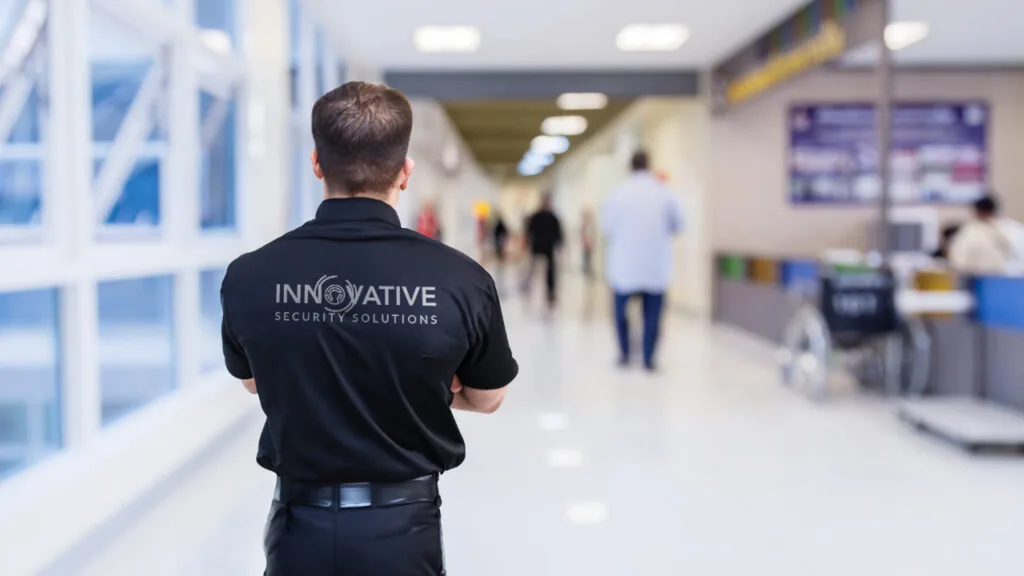
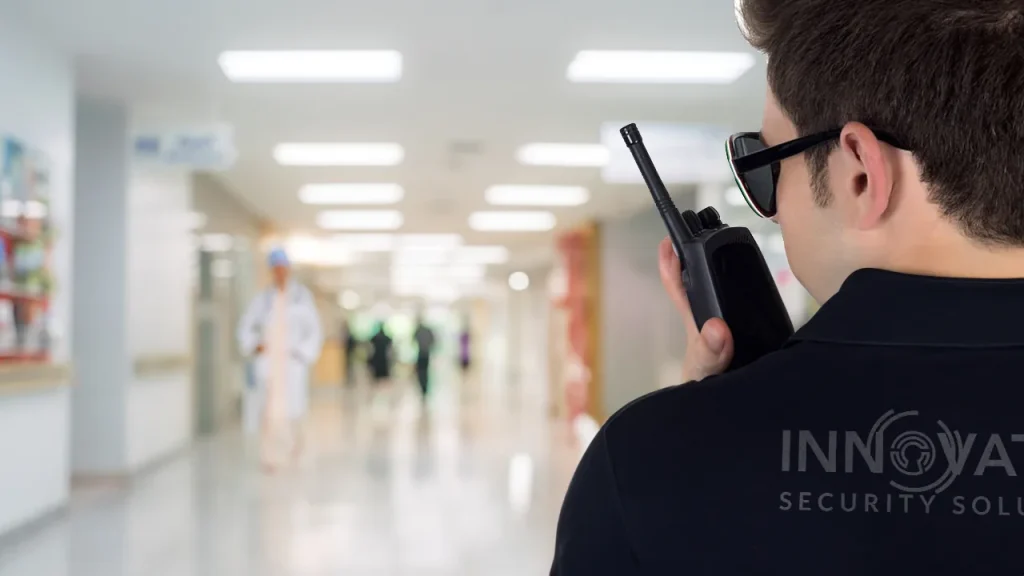
Guidance connected to this operating environment.
Hospital security: managing access, aggression and incident response
Hospital security works best when patient flow, staff safety, access control, behavioural risk and escalation routes are managed as one joined-up operation with clear ownership at every stage.
Read more →Start with where staff need security support
If you are reviewing security for a hospital, A&E department, GP practice, health centre, clinic or other healthcare environment, we can look at where incidents are occurring, how staff are currently supported and what type of security presence or response fits the site.
Discuss Your Security Requirements →