
Home / Industries / Manufacturing & Industrial
Manufacturing & Industrial
Manufacturing site security built around how the operation works
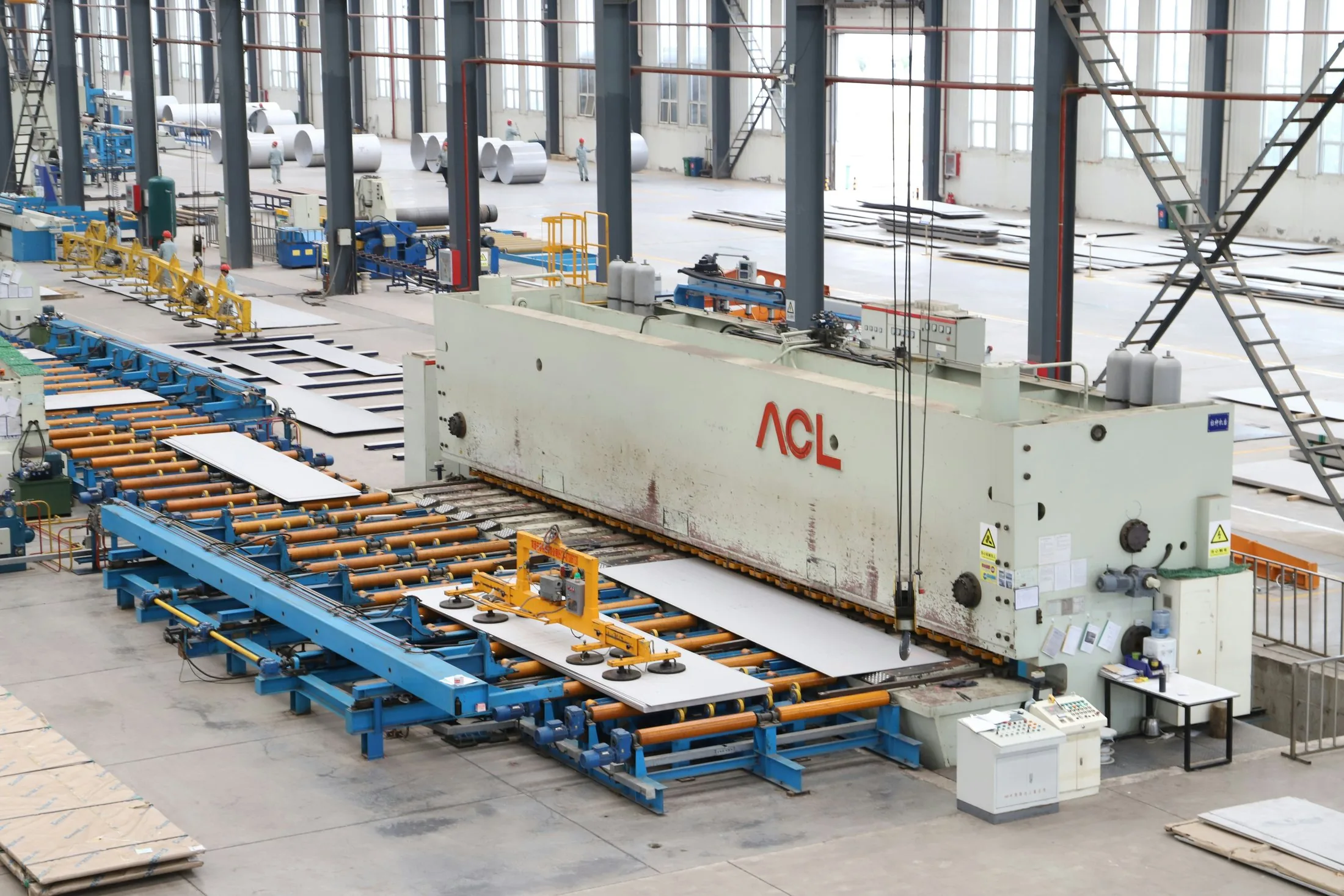
A manufacturing site has its own way of working – shift changes, contractors, deliveries, restricted areas and parts of the operation that cannot afford unnecessary disruption. The first thing we look at is how the site actually runs day to day, where security needs to provide control and where it needs to stay out of the way.
Stock visual: xing bowen / Unsplash, free under Unsplash License
OPERATIONAL ENVIRONMENT
Managing access, movement and restricted areas across a manufacturing site
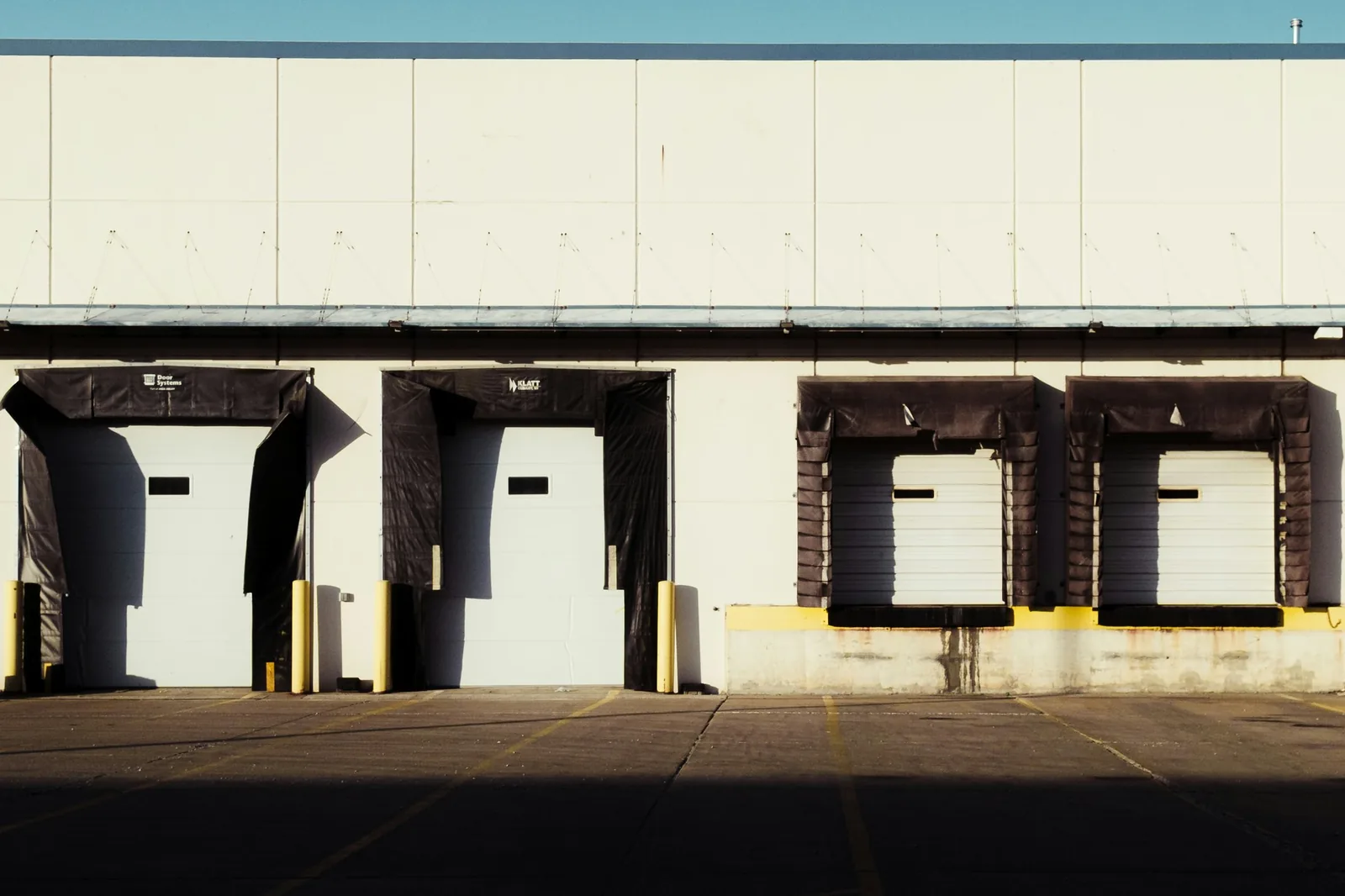
A manufacturing site can have staff, agency workers, contractors, deliveries and production activity all moving on different schedules. We look at how people and vehicles move through the site, which areas need tighter control and where an incident could have the biggest effect on the operation.
Stock visual: Matthew Jackson / Unsplash, free under Unsplash License
People & shifts
Different groups may arrive at different times and need access to different parts of the site. We look at how that access is managed without creating unnecessary delays around shift changes.
Vehicles & deliveries
Goods-in, despatch, contractor vehicles and collections can make access points particularly busy. We look at how vehicles enter, where they need to go and where vehicle movement crosses with pedestrians or production activity.
Restricted & sensitive areas
Not everyone on site needs access to every area. Production zones, plant rooms, stores, laboratories and other controlled areas may need tighter permissions, checks or escort arrangements.
Quieter periods
The site can look very different at night, over a weekend or during a shutdown. With fewer people around, we look at which areas become more exposed and what still needs checking, monitoring and a clear response route.
ACCESS & RESTRICTED AREAS
Different parts of the site need different levels of control
Most manufacturing sites do not work on one level of access. The gatehouse, production floor, stores, plant rooms and offices can all have different requirements. We look at who needs to be where, where access should stop and how temporary or exceptional access is managed when somebody needs to move outside their normal area.
Gatehouse & site entry
Staff, contractors, visitors and vehicles may all arrive for different reasons. We look at how they are checked in, where they are allowed to go and what needs to happen before access is given.
People on shift
Access should reflect the person’s role, shift pattern and the areas they actually need to use. That helps avoid people moving into production, storage or controlled areas unnecessarily.
Temporary & specialist work
Engineers, maintenance teams and specialist contractors may need access to areas they would not normally enter. We look at how that temporary access is authorised, controlled and closed again when the work is finished.
Production & critical areas
Some parts of the site need tighter control because of what is produced, stored or operated there. Depending on the area, that may mean additional permissions, checks, escort arrangements or closer monitoring.
ASSETS & PRODUCTION CONTINUITY
Protecting assets and keeping production moving
On a manufacturing site, the cost of a security incident is not always the value of what is stolen or damaged. If stock goes missing, access to a critical area is compromised or part of the operation has to stop, the knock-on effect can be much bigger.
We look at what the site relies on, where those assets sit and what would cause the most disruption if it was interfered with.
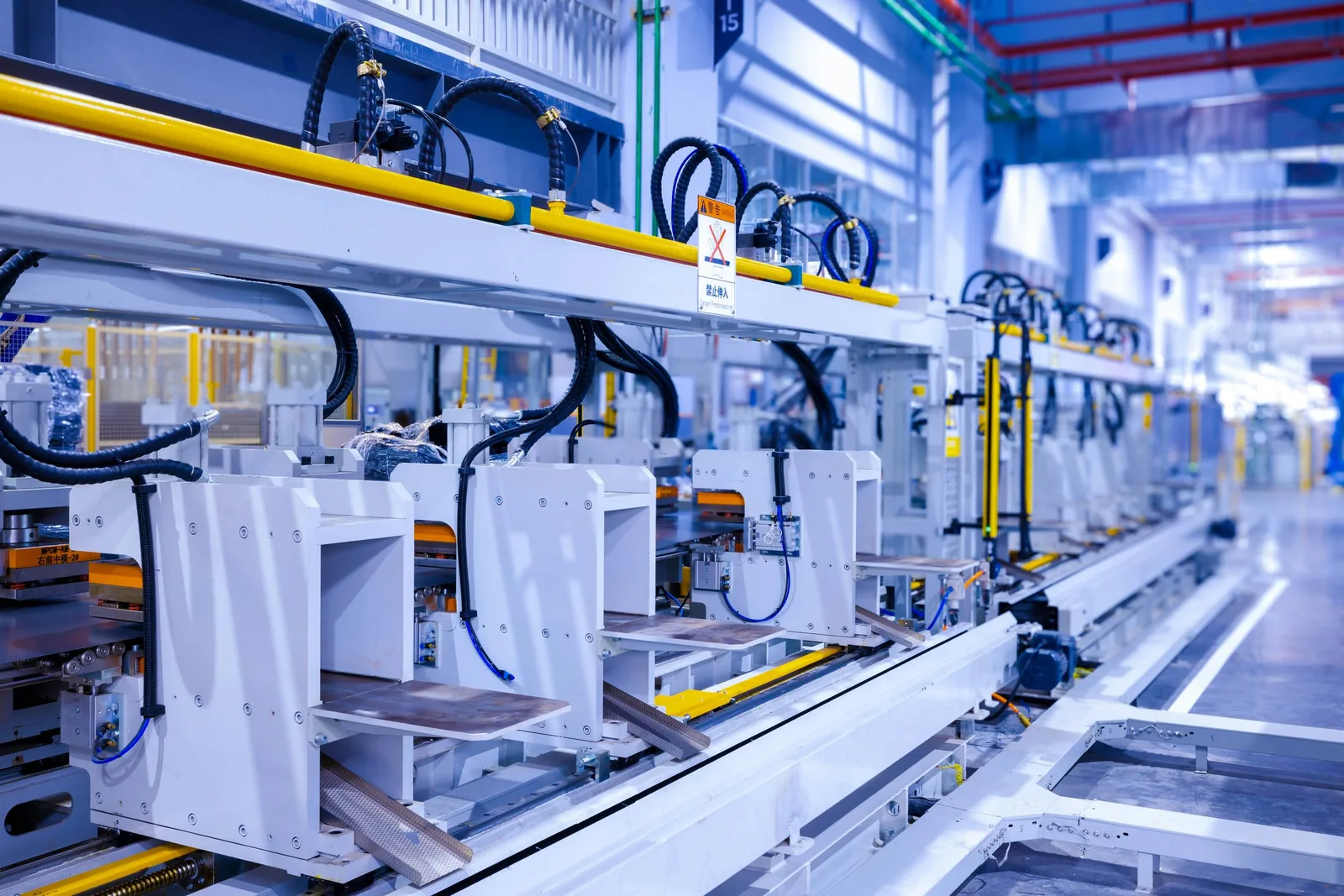
Stock visual: Homa Appliances / Unsplash, free under Unsplash License
Machinery & equipment
Machinery, tools and specialist equipment can be difficult to replace quickly. We look at what is most exposed during live production, maintenance work and quieter periods, and what security remains in place when an area is less occupied.
Stock & materials
Raw materials, finished goods and high-value stock may move between storage, production and despatch. We look at where stock is most vulnerable, particularly while it is being moved, temporarily stored or left outside normal production hours.
Critical rooms & utilities
Plant rooms, electrical rooms, controls and utilities may need tighter access because interference in one of these areas can affect much more than the room itself. We look at who needs access and what protection is in place around those areas.
Loading & despatch
Goods-in and despatch can be busy parts of the site, with vehicles, drivers and stock moving at the same time. We look at how those areas are controlled and whether there is enough visibility around what is entering and leaving.
Incident response & recovery
If an incident affects access, machinery, utilities or a critical part of the site, the response needs to deal with the immediate security issue and help the operation return to normal as quickly as possible.
Impact on production
We look at where a security failure could interrupt the operation and whether those areas have the right level of protection, monitoring and response.
SHIFT PATTERNS & OPERATING HOURS
Site security across shifts, nights and shutdowns
The same site can look very different at the start of a shift, in the middle of production and late at night. The number of people on site changes, access points get busier or quieter and some areas become more exposed. We look at how the security arrangement needs to work across those changes rather than treating every hour the same.
High movement at access points
Large numbers of people may arrive or leave within a short period, often at the same time as deliveries, agency workers or contractors. We keep that movement controlled without creating unnecessary queues or delays.
Control around normal operations
While production is running, security needs to work around normal activity. We manage access, incidents and exceptions without getting in the way of people doing their jobs or disrupting production.
Lower occupancy, different exposure
When fewer people are on site, areas that are naturally visible during the working day can become more exposed. Patrols, CCTV, alarm response or a targeted security presence may need to play a bigger role during those periods.
RELEVANT SERVICES
Security services for manufacturing and industrial sites
In practice, most manufacturing sites need more than one type of security. The right combination depends on how the site operates, the hours it runs, which areas need tighter control and how much on-site support or out-of-hours response is needed. The security arrangement can support a single site or be coordinated across multiple locations.
DAY-TO-DAY OPERATIONAL CONTROL
Day-to-day management of manufacturing site security
Once the security team is on site, our supervisors and operations team stay involved. We keep an eye on deployment, make sure officers are working to the latest site arrangements and step in when staffing, access, incidents or changes on site need attention.
Attendance & deployment
We keep visibility of who is deployed on site and respond when an absence or staffing change affects the agreed coverage. Where replacement cover is needed, our operations team coordinates it and keeps the site informed.
Site instructions
Officers working on site are trained and briefed on the current access arrangements, restricted areas, reporting requirements and site priorities. As those arrangements change, site refresher training is provided to keep the team up to date.
Incident support
Our officers have direct access to the control room for operational support when an incident, access issue or unexpected problem arises. The control room supports the officer, escalates the issue to the appropriate manager or client contact where needed, and makes sure it follows the agreed escalation route.
Site coordination
Our control room, supervisors and managers keep in regular contact with site management. Changes to shifts, contractors, deliveries, restricted areas or working arrangements are communicated back to the security team so the service reflects what is actually happening on site.
Supervision & checks
Our supervisors and managers carry out checks on the live service, including officer performance, site instructions, presentation, records and the agreed security requirements. Our teams are supported by digital systems and dashboards that provide visibility of service activity and reporting, giving managers the information they need to oversee delivery.
Reporting & follow-up
Incidents, exceptions and agreed actions are recorded and reported to the relevant client contacts. Our operations team reviews what is being reported, follows outstanding actions through to completion and raises recurring issues where they indicate that something in the security arrangement needs to change.
AS OPERATIONS CHANGE
Proactive security that keeps pace with changes in production and site activity
Shutdowns, maintenance work, changes to production, temporary storage or increases in staffing can alter where the site is busiest and where it is most exposed. We review those changes with the client and adjust the security arrangement where the existing coverage, access controls or response arrangements are no longer right for how the site is operating.
Shutdowns & maintenance
Shutdowns and maintenance periods can bring more contractors onto site, open areas that are normally restricted and create different access requirements. We review what is changing and whether additional access control, patrols, CCTV coverage or security presence is needed for that period.
New production or storage areas
Changes to the site layout, production areas or stock locations can create new restricted zones and leave different parts of the site exposed. We review whether guarding, patrol routes, CCTV coverage or access arrangements need to move with those changes.
Peak activity & staffing changes
Extra shifts, agency labour or higher production volumes can put more pressure on access points, deliveries and supervision. We look at whether the existing deployment can manage that increase or whether additional support is needed during the busier period.
Changes to access & vehicle movement
New loading areas, temporary entrances, altered traffic routes or changes to goods-in and despatch can affect how people and vehicles move around the site. We review the security and traffic management arrangements, so they continue to work with the new layout.
DISCUSS YOUR SITE
Let’s look at your site
If you are reviewing security for a manufacturing or industrial site, we can look at how the operation works now, including access, shift patterns, restricted areas, vehicle movement and out-of-hours activity, and identify where the current security arrangement is working well, where the gaps may be and what needs to change.