
How to secure a warehouse and distribution site
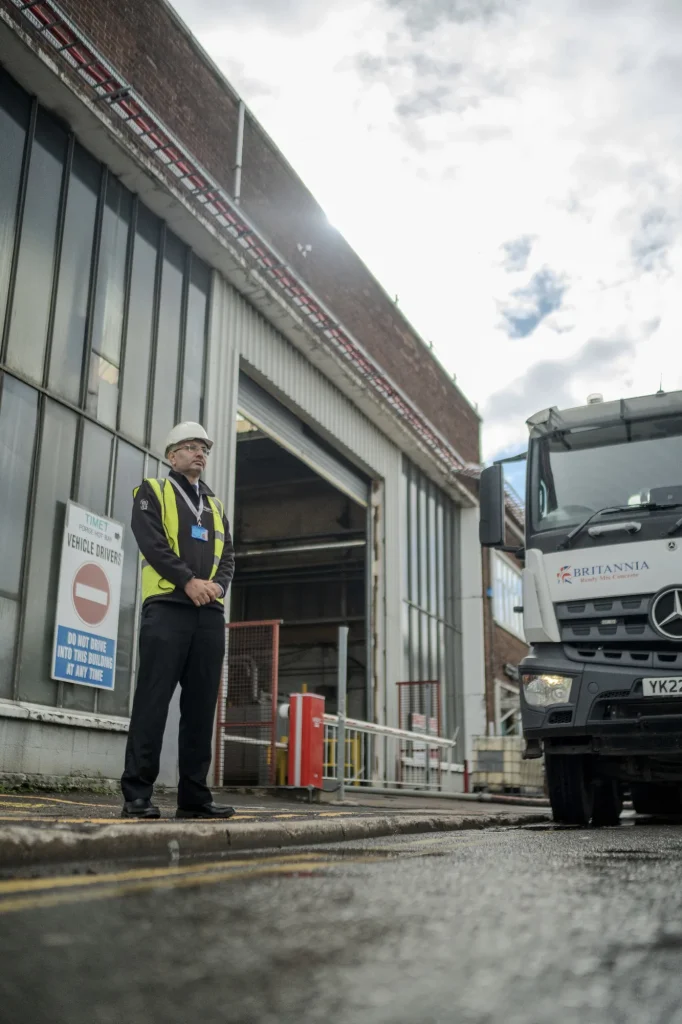
Warehouse security works best when people, vehicles, stock movement, restricted areas and out-of-hours response are controlled as one connected operation.
Warehouse security works best when people, vehicles, stock movement, restricted areas and out-of-hours response are controlled as one connected operation.
Why warehouse movement needs structure
Warehouses and distribution centres operate around constant movement. Staff change shifts, agency workers arrive, drivers come and go, contractors need temporary access, goods pass through loading bays and stock is relocated throughout the day.
What security must do
An effective security plan helps teams recognise normal activity quickly while identifying exceptions that need attention. It should control access, movement and escalation without slowing legitimate operational flow.
Seven areas to keep under active review
Start with how the operation actually flows
Before deciding where officers, patrols, cameras or access controls should sit, map how people, vehicles and goods move through the site. Include staff and visitor entrances, gatehouse activity, yards, loading bays, high-value areas, returns, waste routes, key rooms and any locations used differently during nights, weekends or peak periods.
The important question is not simply where the perimeter sits. It is where control can be lost as something moves from one part of the operation to another – a driver arriving unexpectedly, a trailer changing bay, stock moving into returns, a contractor entering after hours or a shift change creating a short period of unusually high traffic.
Questions to ask
- Who and what enters the site through each access point, and how is that movement authorised?
- Where can stock, keys, vehicles or sensitive items move without a second check or clear record?
- When does the operation change – shift changes, peak periods, nights, weekends or shutdowns – and what becomes more exposed?
Control the perimeter and gatehouse without creating a bottleneck
A secure boundary matters, but the gatehouse or main access point is where security becomes operational. Expected visitors, employees, agency workers, contractors and drivers should each have a clear route into the site, with enough information available to confirm identity, purpose and authority without holding up legitimate movement unnecessarily.
Treat people and vehicles as separate access decisions
A person being expected does not automatically mean every vehicle, passenger or destination should be accepted without question. Access arrangements should make clear who is authorised, where they can go, what they may bring in or remove and who approves exceptions. Temporary and contractor access should end when the task or shift ends rather than remaining open by default.
Keep safety and security aligned
HSE guidance for warehousing emphasises controlled visitor movement, clear responsibilities for visiting drivers and safe separation between pedestrians and vehicles. Security procedures should support those requirements. A driver held for verification still needs a safe waiting arrangement, and access controls should never encourage people to bypass designated routes or emergency procedures.
Make loading bays and dispatch points controlled transitions
Loading bays are where the external supply chain meets the internal operation. Booking details, driver and vehicle information, assigned bays and release authority should be clear enough for the site team to identify when something does not match the expected movement. Unexpected arrivals or changes should have an escalation route rather than being resolved informally at the gate.
The same discipline applies when goods leave. Dispatch controls should make it clear what is being released, who authorised it, which vehicle is collecting it and what evidence is retained if the movement later needs to be checked.
Protect stock and restricted areas according to risk
Not every part of a warehouse needs the same level of control. High-value stock, bonded or sensitive goods, returns, damaged stock, server rooms, security equipment, keys and alarm controls may justify tighter access than general storage. Permissions should follow genuine operational need, with access records strong enough to show who entered and when.
Stock and security records should support each other. Unusual movement, repeated adjustments, broken seals or activity outside normal patterns should be reviewable against access logs, CCTV, dispatch records and incident reports.
Reduce internal risk without treating the workforce as the problem
Warehouse security has to account for insider risk, but a suspicious workplace is not a strong control. Better controls are individual credentials, clear access rights, prompt removal of permissions when people leave or change role, separation of duties and consistent processes for agency workers, contractors and temporary staff.
If an anomaly appears, it should trigger a fair evidence-based review. Compare stock records, access data, CCTV, paperwork and witness information before reaching conclusions. The aim is accountability and early detection, not assumption.
Plan the out-of-hours model around what remains exposed
When the main operation slows down, yards, parked trailers, loading bays, staff entrances, fuel areas, external storage and isolated perimeter areas may become more exposed. Decide what needs a physical presence, what can be checked by patrol, what can be monitored remotely and what response is required if an alarm or camera event is confirmed.
Key holding, locking and unlocking, alarm response and escalation should be agreed in advance. A detection system is only useful if it is clear who receives the alert, who can attend, what authority they have and when the issue must be escalated.
Review security when the operation changes
Seasonal peaks, new customers, temporary labour, altered shifts, different carriers, layout changes or more high-value stock can all change exposure. Review security around those changes and after incidents or near misses, updating gatehouse instructions, patrol routes, access permissions and response arrangements before yesterday's controls become today's gap.
Related operational evidence.
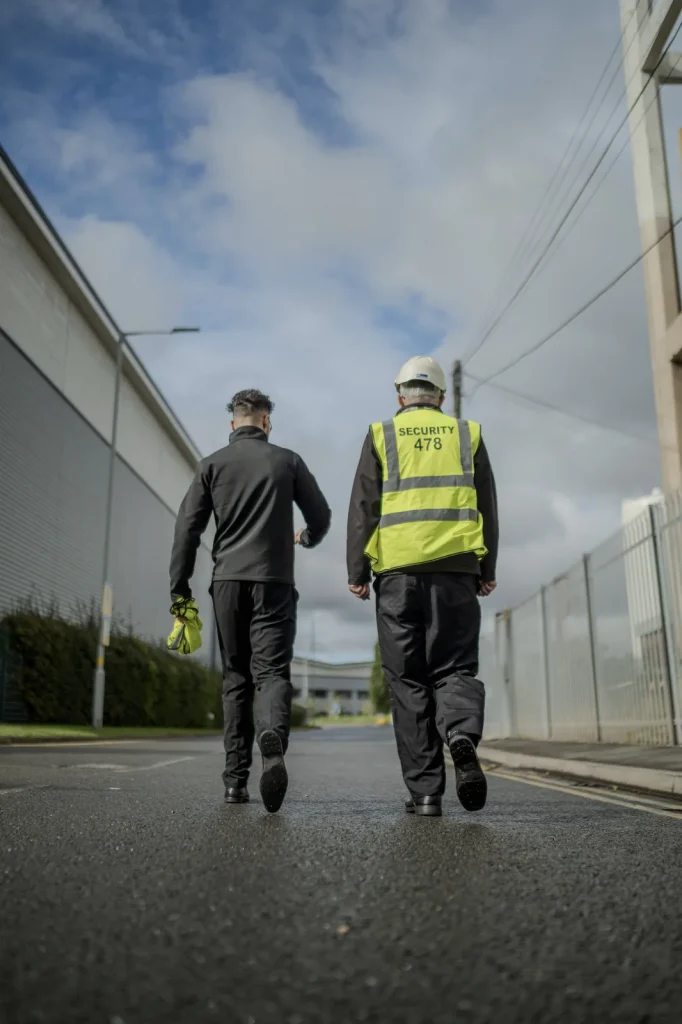
Security guarding supporting theft prevention at a Tamworth warehouse
A warehouse operation in Tamworth required stronger security around valuable inventory and the day-to-day movement of employees, contractors, vehicles and goods. Innovative Security Solutions deployed security officers to support access control, regular patrols, authorised searches and incident response while working around the normal operation of the warehouse.
Read more →
Security guarding protecting high-value titanium manufacturing operations in Aston
A titanium manufacturing facility in Aston, Birmingham required security around valuable raw materials, specialist machinery and the movement of people and vehicles across the site. Innovative Security Solutions deployed SIA-licensed security officers who were briefed around the facility's operating procedures before taking up their duties.
Read more →The UK national terrorism threat level is set by MI5 and reflects the likelihood of an attack in the UK.
We monitor relevant official updates and factor the risk context into site risk assessments and deployment planning.
View the current official threat level →Discuss your security requirements
Talk to Innovative Security Solutions about the operating environment, current risks and the service model you need.
Discuss Your Security Requirements →